

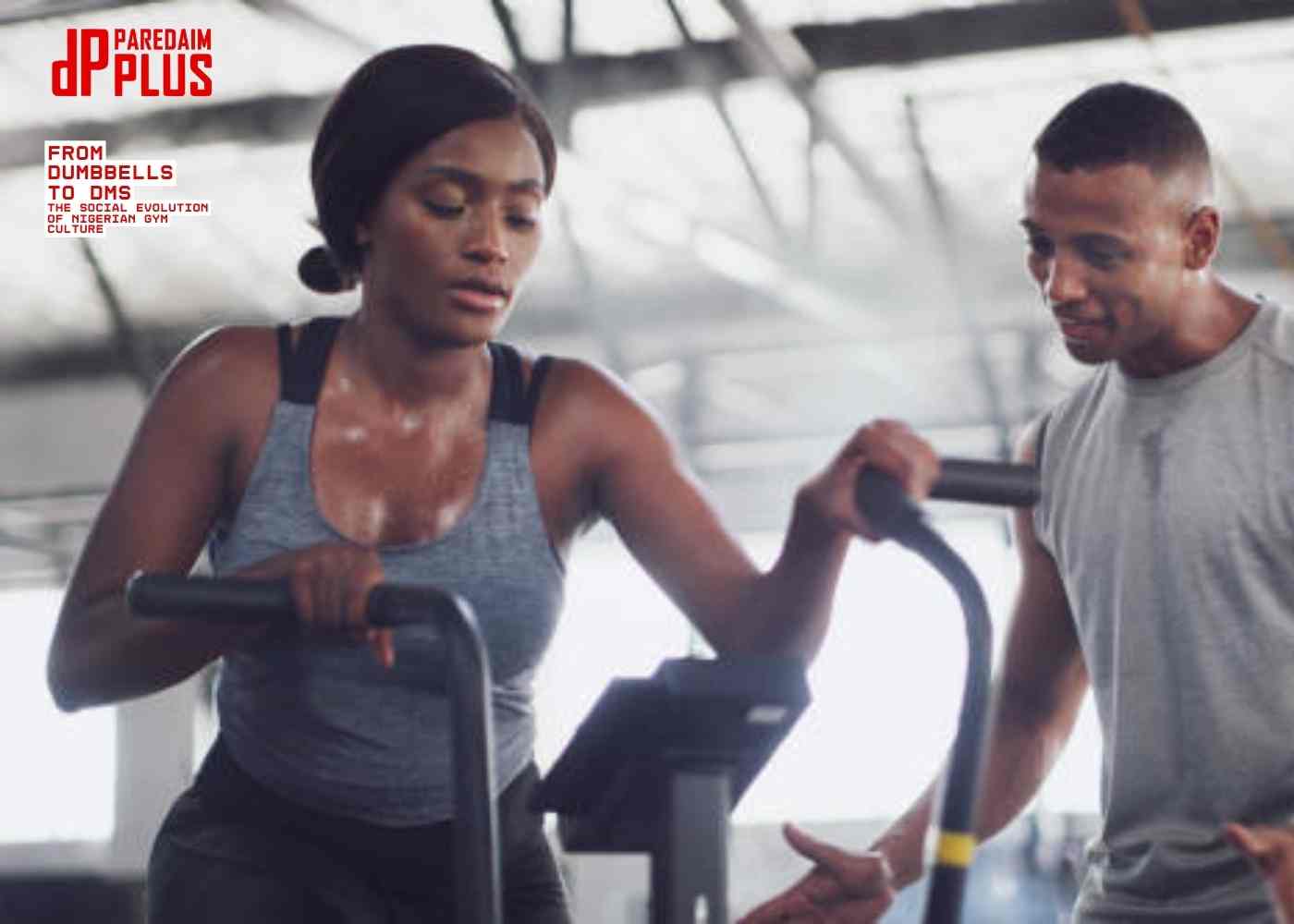
Over the last ten years, this dramatic shift in fitness,
body image, and social engagement in Nigeria is evident through the increase in
the number of gyms in Nigeria. What were once simple, function-over-form gyms
with old treadmills and corroding iron weights in Nigeria have recently
metamorphosed into modern, aesthetic, tech, and community-filled, with an
undeniable social vibe, lifestyle centers.
Statista reports that as of 2024, Nigeria’s health and
fitness market is expected to grow at a rate of 7.1 per cent, reaching N56.4
billion by the year 2027. Fitness centers specifically have entered into the
Lagos lifestyle, with new boutique gyms opening quarterly in Lekki, Ikoyi and
Victoria Island. Gyms are also becoming increasingly popular in Abuja,
especially in the more affluent neighbourhoods of Maitama and Wuse. Fitness is
no longer a niche hobby, it’s a whole identity, it’s a tribe, and it has become
for many a platform.
But wait, it gets better, Nigerian gyms are no longer the
place for squats and sets, they’ve become part social arena, part workout space
where selfies, side glances, and sometimes whorish… um, DMs merge with dumbbell
routines. Similarly, as being “socially fit” becomes a fad in Nigeria, workout
regimens begin to be informed by the kind of visibility, both physical and
digital, that one is imbued with.
The change is more than just superficial. It touches on
fitness and wellness in Nigeria, the marketing of wellness, sexual politics,
and even online interactions in urban city centers. In this post, we will look
at the way in which the ‘strength’ and ‘endurance’ based culture of the gym in Nigeria is transforming to become more about connection and perception.
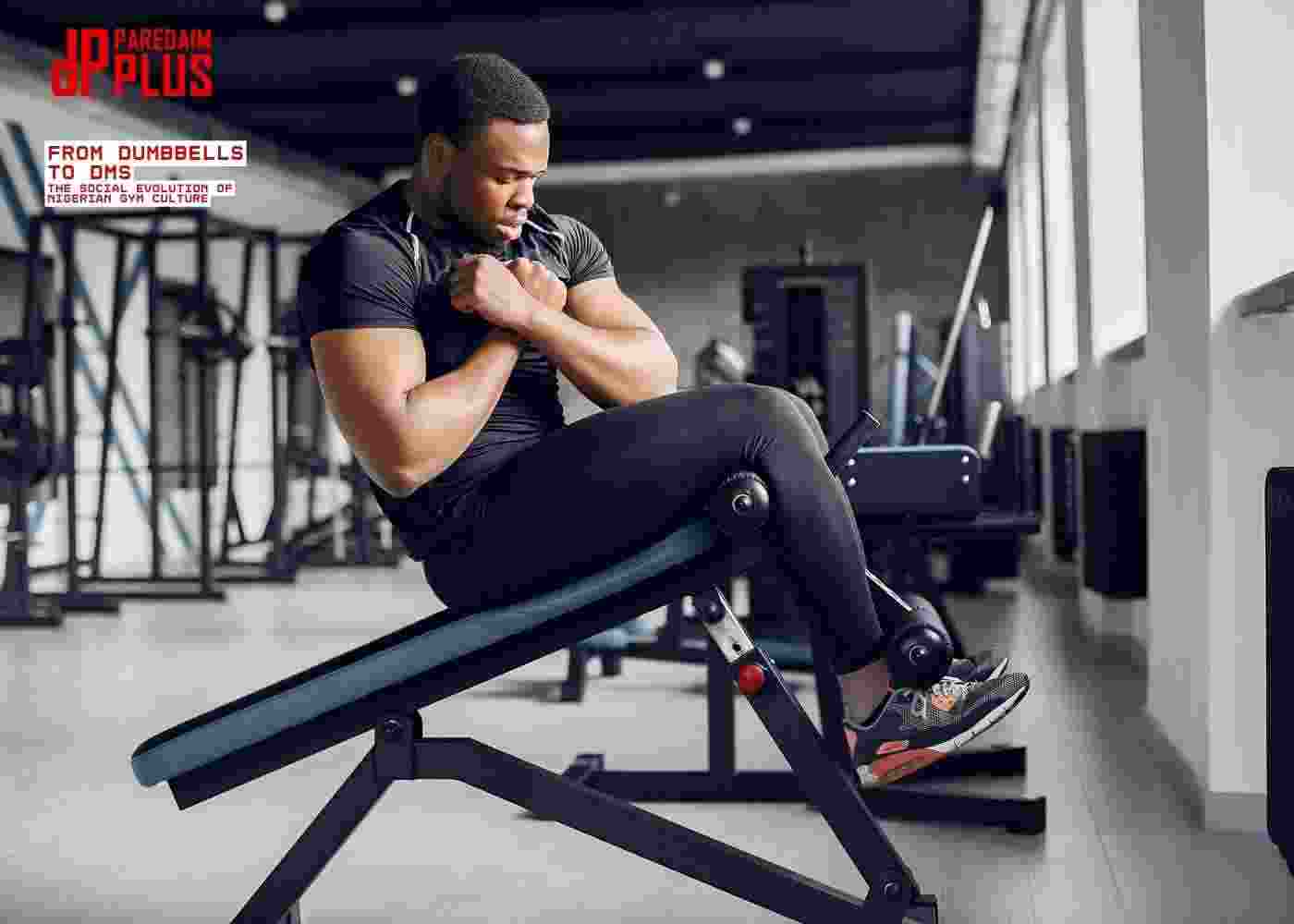
The Rise of Fitness Centers in Nigeria
Urbanization, Lifestyle Upgrades, and the Influence of Social Media
The Urban population of Nigeria is phenomenally growing.
More than 20 million people live in Lagos alone, and there is an increase in
the middle-class incomes and globalized lifestyle, and young professionals are
ready to spend money on their appearance and even health. The use of social media has also been instrumental as Instagram and TikTok become flooded with
Nigerian fitness models providing carefully filtered insights into their
everyday workout sessions, food preparation and gym life.
The Nigerian fitness industry has tapped into this need by
providing customized services, health regimes and modern fitness equipment.
There is an increment of gyms that are offering:
- Group fitness classes (HIIT, yoga, cycling)
- Personal trainers and body transformation programs
- In-house dieticians or affiliate nutritionists
- VIP sections or premium memberships
- Photo-op spaces designed for social media content
Fitness centers such as iFitness, EliteBox and Fitness
Central do not simply expand but promote themselves as places of luxury
lifestyles.
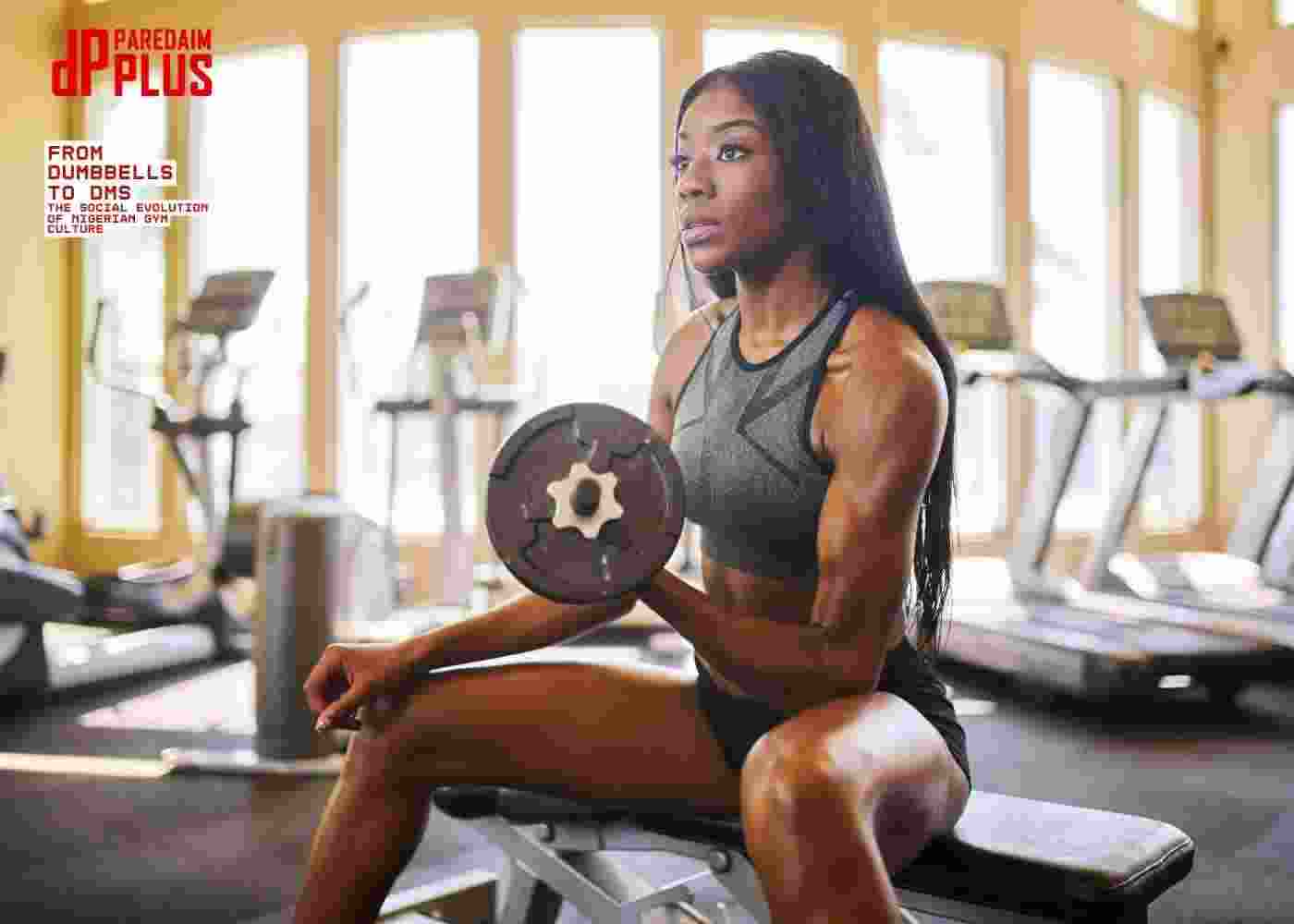
Lagos and Abuja Gyms: Leading the Urban Fitness Revolution
Lagos Gyms: Where Hustle Meets Hypertrophy
Lagos fitness clubs are equally as hot and vibrant as Lagos
city. Due to the heavy traffic of people in Victoria Island, Lekki and Ikeja,
fitness centres attract young executives, creatives and influencers. The
rapidness of its culture implies that workouts are commonly done in the
mornings or after work with some smoothies, Instagram reels or networking
discussions in the gym lounge.
However, the scene is not only about fitness. An increasing
number of people who use the gym are feeling like they are in a partial dating
pool, a social hangout and a status landmark. Exercising in a popular gym can
be used to indicate not only physical order but also the class.
Abuja Gyms: Leisure Luxuries
Gyms in Abuja tend to be less crowded, more dispersed, and
either constructed as parts of residential estates or upscale wellness cities.
There is an evident mix of richness and exclusivity where fitness clubs in
regions such as Gwarinpa, Wuse 2 and Jabi region have spa services, swimming
pools and exclusive membership. The gyms in Abuja are conveniently used as
business network facilities and social gathering places.
These centers have the diplomats, the politicians, and
entrepreneurs as their clients, whose wellness is their lifestyle and
bargaining tool.
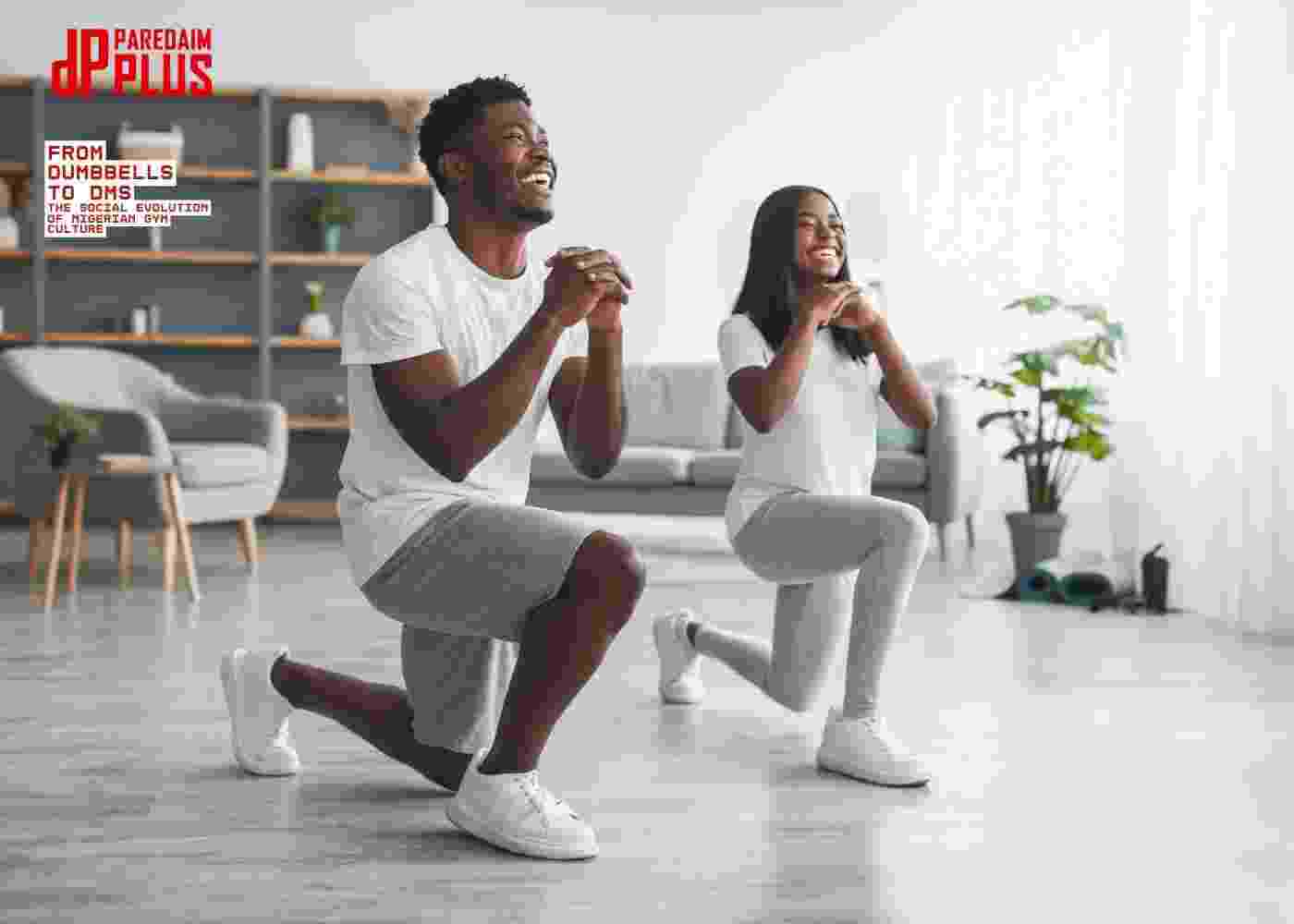
The Shift to Social Fitness in Nigeria
From Iron to Interaction: The Emergence of the Gym Community
No more days when all people in the gym wore oversized
shirts, sat in silence and tried to lift the weights. The current gym culture
in Nigeria is alive, participatory and outbound. The gym is a social organism,
whether that appears in your gym form of a perfect selfie mirror, or your
partner's exercise program, or the collective group challenges or the meet-ups
with the theme of fitness.
There are now some fitness centers which hold:
- “Fit & Mingle” events
- Weekly fitness challenges with prizes
- Collaborations with fashion and skincare brands
- Outdoor boot camps and beach workouts
Such activities support the community, engage users in user
participation and also generate important social content. Nowadays, numerous
gym members create their brands on the basis of wellness, and a gym turns into
the stage of their online stories.
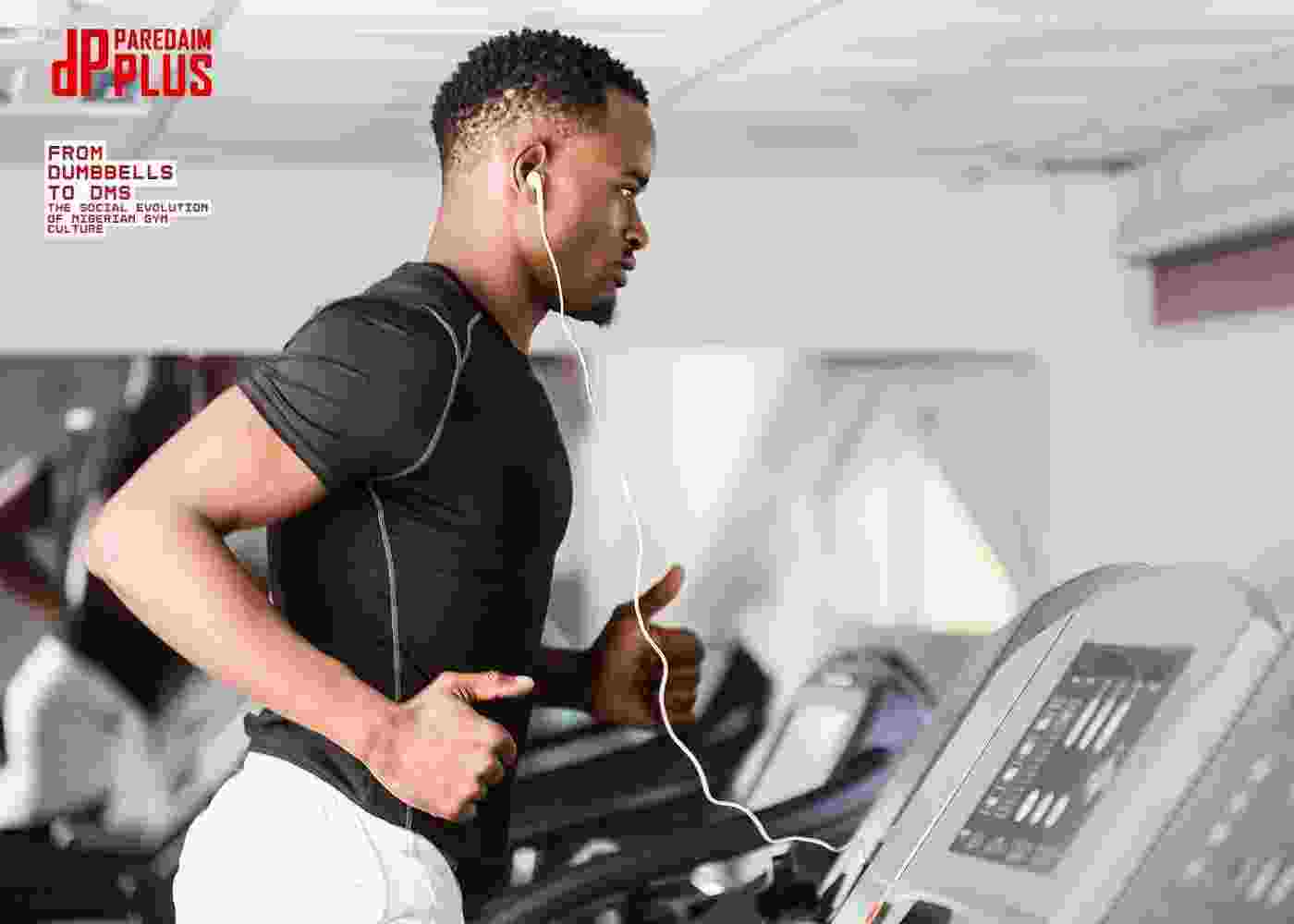
Sexual Undertones and the New Gym Culture in Nigeria
With the evolution of gym fashion, such as that of
compression leggings, designer sneakers, and cropped tops, the Nigerian gym
has, in the process, acquired a subtle (and sometimes overt) sexual overtone.
The male stare, coy looks, indirect sexual stances in the workout programs and
even the incidental bump have been added to the discourse of gym culture in
Nigeria.
It is not uncommon to hear things like:
- That is not why people come to this gym to sweat, they come
to scout!
- To some, this is harmless, but to others, it is distracting
or even predatory. This has brought up the subject of body politics, the issue
of sexual harassment within gym premises, as well as the boundary between
harmless admiration and stellar chasing.
- A few female-only gyms and fitness aimed at women have
cropped up in reaction to these tensions, providing a place that is more
welcoming to those who do not want other people to give them unwanted attention
at the gym.
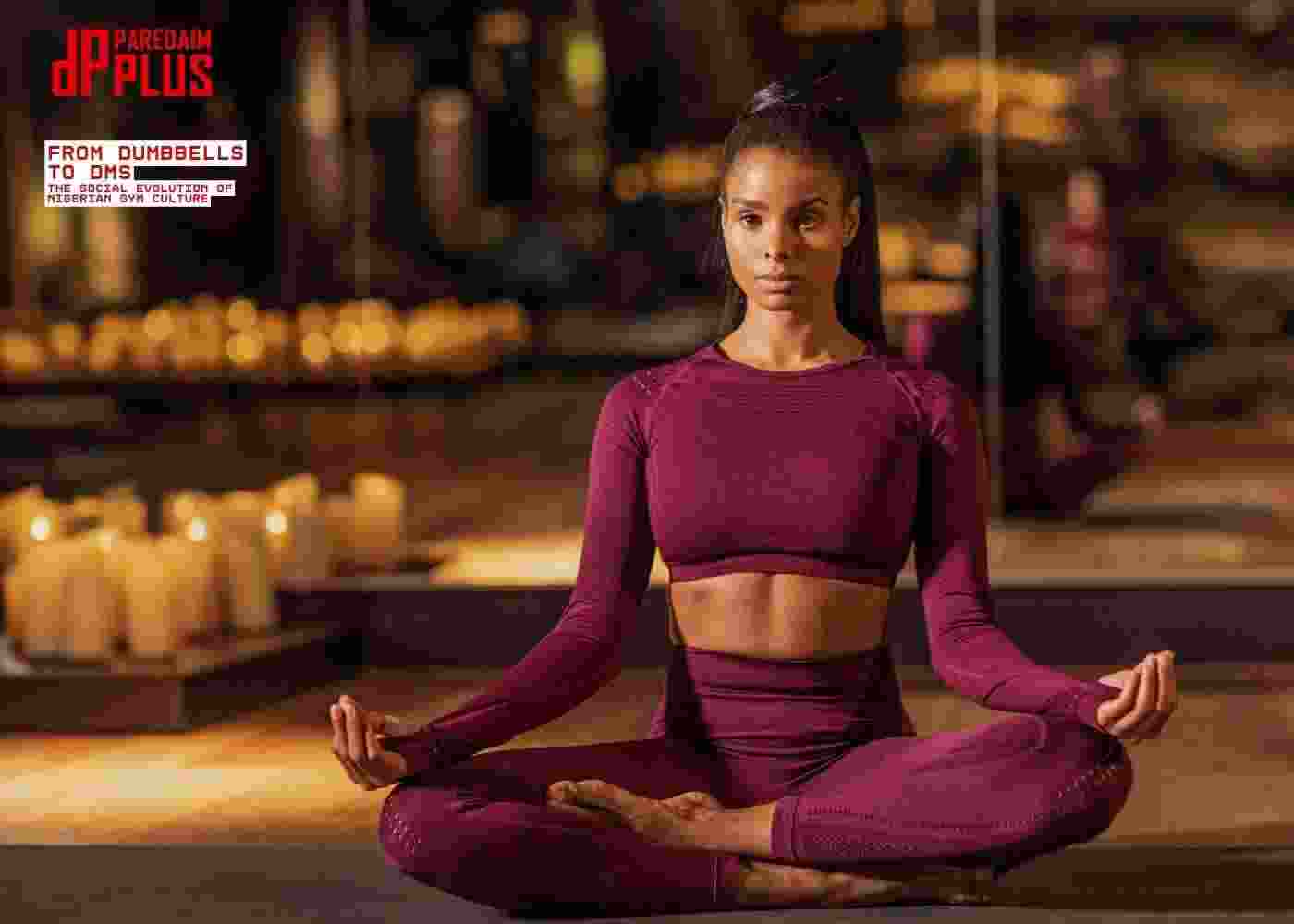
Influencers and the Digitization of Workout Culture
The Role of Instagram, TikTok, and WhatsApp
In Nigeria, fitness material has become a major stimulus for
using social media. Gym culture goes to the extreme, relaying to them, through
social media, participants of Transformation Tuesday, Meal Prep Sunday, and so
on. Bloggers such as Kemen Fitness, Jane Michael Ekanem, and Eniola Hu have
gained followings on social media platforms as they display their fitness and
weight loss routines and activities in the gym.
Now, you might get noticed at the gym and later receive a DM
that reads something like: “Hey, saw you at FitRepublic today… You killed that
leg day.”
The combination of in-person workouts and online engagement
helps to further erode the distinction between a gym space and a dating space.
Aside from the obvious health benefits, gym membership these days comes with a
non-spoken benefit of potential social exposure, particularly in a place such
as Lagos and Abuja, in which networking is an overarching life strategy.
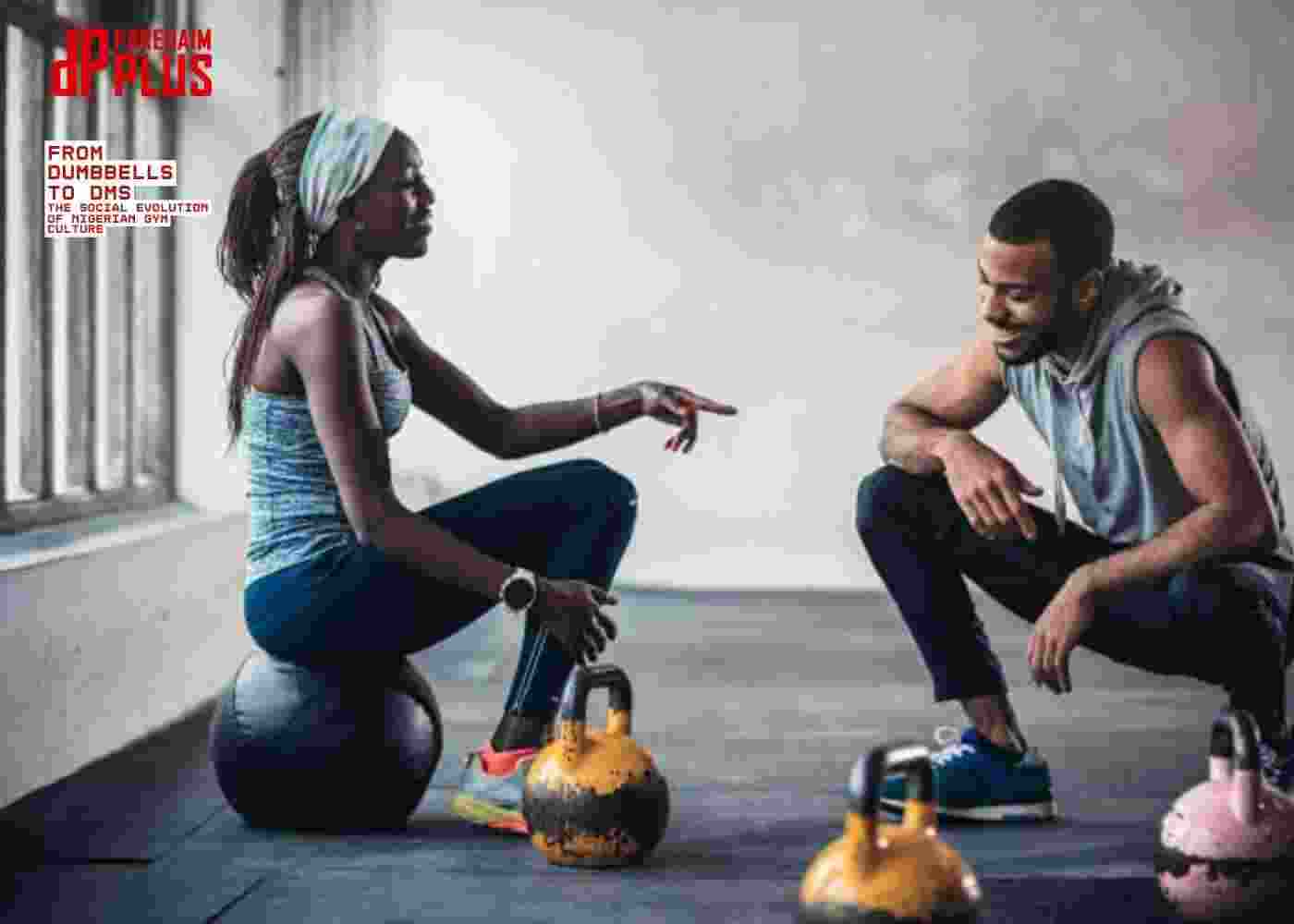
Nigerian Fitness Trends to Watch
Personalized Wellness and Data-Driven Training
Coming next in Nigerian fitness trends are:
- Wearable technology to monitor vitals and performance
- Virtual training and app-based coaching
- User-goal specific AI fitness plans
- Dietary logging related to exercise
These trends also show a movement in Nigeria towards scientific wellness, greater incorporation of technology into health and fitness, rather than brute-force lifting.
Gendered Fitness Spaces and Inclusivity
As the discourse around gender, harassment and body autonomy
expands, so do the options for women in gyms via classes geared towards women,
women-only hours and more women trainers. The ‘inclusivity movement’ is
starting to influence how Nigerian gyms structure their offerings and how they
advertise.
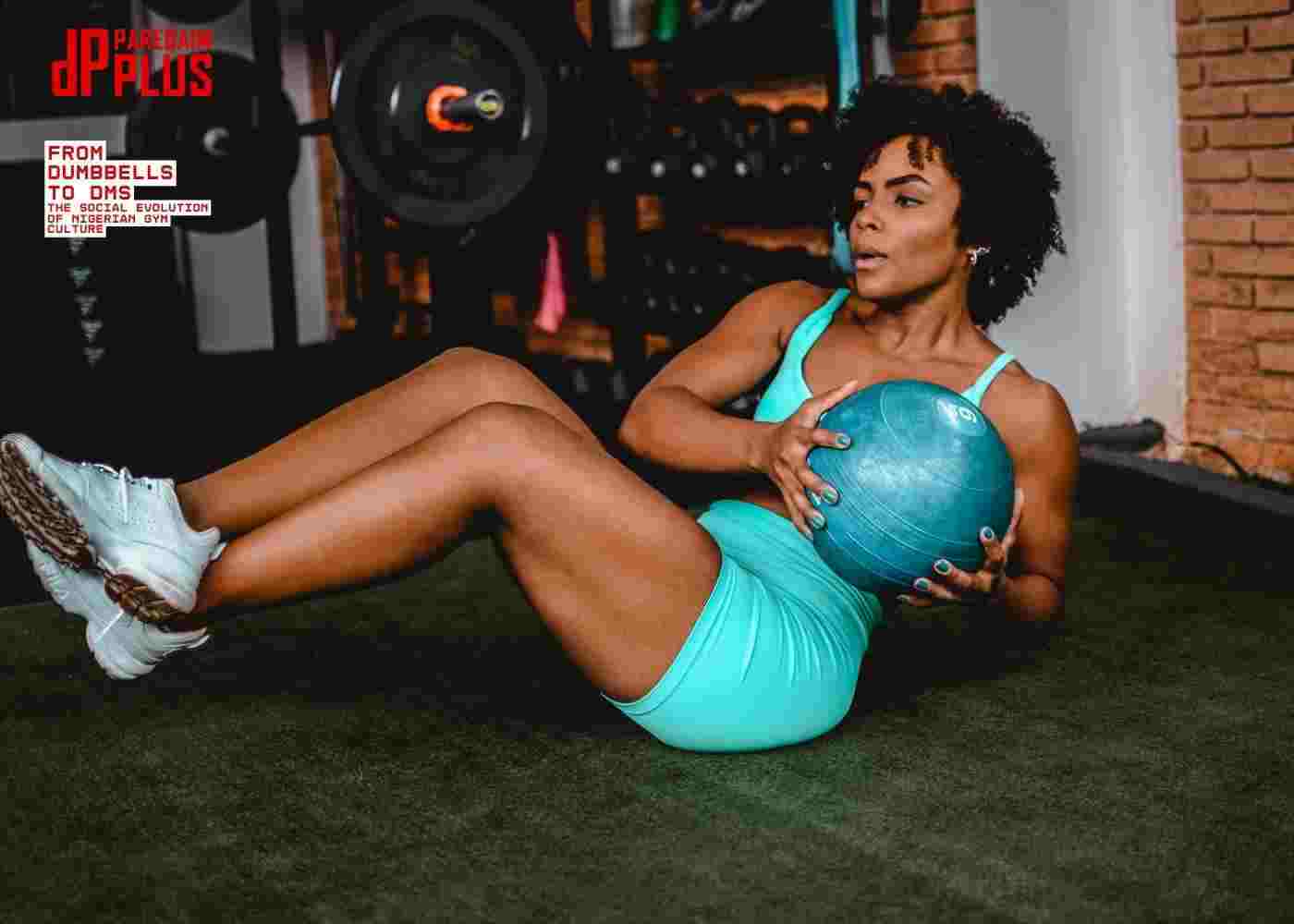
Conclusion
Nigerian gyms are no longer just places for building bodies
but are social spaces for building community, personas, and occasionally
romance. Whether the high energy and vibe of Lagos gyms or the ‘chilling’
exclusivity of Abuja gyms, gym activity in Nigeria is growing in a communally
spirited way.
This is both an opportunity and a challenge. On the one
hand, social fitness in Nigeria has aestheticized health and wellness for the
youth and elite in Nigeria. It promotes community, self-assurance, and mental
health. It also raises questions of where the lines are, the politics of sexual
representation, and notions of the real in a digital world.
This is both an opportunity and a challenge. Social fitness
in Nigeria has, on one hand, mainstreamed health and wellness among youth and
the elite. Community, confidence, and mental wellness are built. On the other
hand, it raises questions of boundaries and sexual politics and notions of
authenticity in terms of the digital.
For marketers, trainers, gym owners, and digital health
brands, it is a huge opportunity to cater to not just fitness desires but
aspirational lifestyle changes. In a rapidly changing landscape of fitness in
Nigeria, the people who get to have a unique position are the ones who
understand the cultural and emotional layers of the experience of being in a
gym.
So, the next time you step into a gym in Nigeria, whether to
work out or to wellness, the dumbbells might be the heaviest thing you lift,
but the DMs just might make your day.
Trending Posts
-
 How Nigerian Gyms are Becoming the..Aug 07, 2025