


In its attempt to achieve global status, Nigeria’s film
industry, Nollywood, sacrificed tremendously. Nollywood’s culture of being a
treasure that was self-referential, extremely of the people and the
realities of the nation, was sacrificed for the sake of holding purported
international validation. But Nollywood was not lost; it was thrown away. It
was thrown away on the altar of “refinement” and attempting to do what the
geniuses of the world, like Hollywood and Netflix, have mastered.
The initial successes of Nollywood were not fueled by
state-sponsored programs or high-quality infrastructure; rather, the innovation
and will of everyday Nigerians produced Nollywood’s early successes. It was the
market women, pirating, and normal people who believed in it who built the
system that worked for Nollywood.
This was the era before Netflix, but also before
air-conditioned movie theaters and multiplexes. Nollywood was a force of
nature.

The Rise of Nollywood: Built on Grassroots Foundations
Nollywood is deeply embedded in Nigeria’s informal economy,
from which much of its success was possible. In some sense, the system grew
from the streets, the markets and the home. As the people’s revolution. It was
a closed system that wasn’t flawless, that only worked for us.
These early Nollywood films circulated through what today
might be considered alternative distribution networks, such as VCD sales, home
video rental, church groups, bus parks, and neighborhood salons. The gospel was
sold as the good news for the masses, in the language of the masses, in the
myths of the masses. It was not about trying to be part of global, polished,
high-budget products, but rather about telling our stories on our terms.

The Ecosystem That Worked - Without a Single Dollar of Government Support
Nollywood prospered without any of the types of funding that
were available to other film industries. No subsidies or grants were available
from the government or the industries. But it spawned a whole ecosystem that
supported itself.
VCD market women, video rental shops in every community, and
bootleggers, yes, pirates, were responsible for extending Nollywood’s
distribution across and beyond Nigeria. This grassroots distribution network
was powerful enough to guarantee that Nollywood made it into the living rooms
of Nigerians everywhere. It was a niche, on-demand, and very individual
experience of cinema.

When We Killed Nollywood: In the Name of "Refinement"
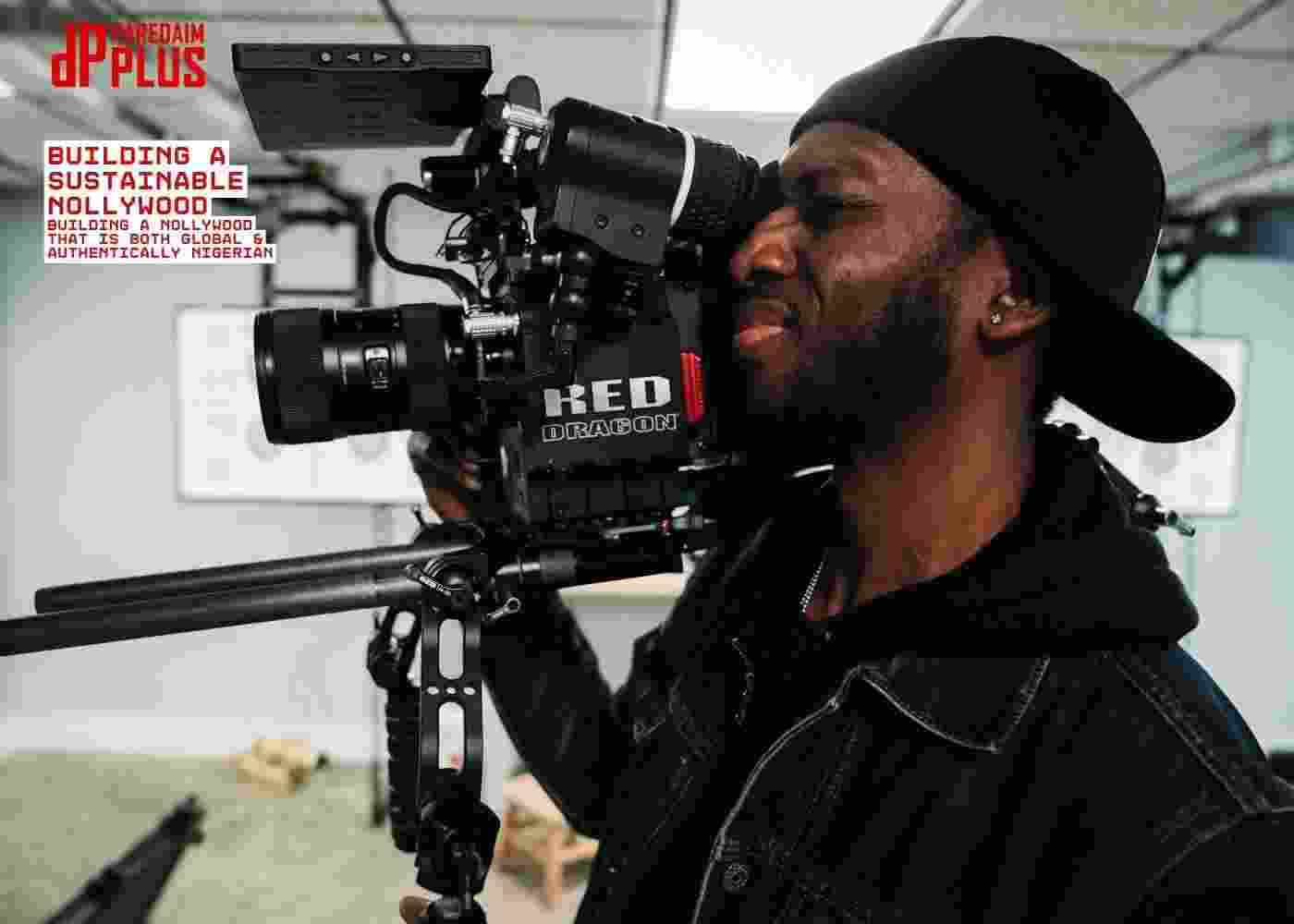
But, as Nollywood began to attract the world’s attention,
this changed. It shifted away from the community-based, scrappy process of
making a film to something that appeared more “polished” from an international
viewpoint. The industry began to seek validation on an international stage from
places like Hollywood or Netflix.
This is when the initial appeal of Nollywood began to fade.
What made Nollywood unique was shunted out in favor of slicker productions,
aesthetic recommendations to become more cost-effective, and stories that would
resonate with a universal audience. Although the transition might have been a
good idea, the way it was implemented was a problem.
The "Baby" Was Thrown Away With the Bathwater
In our desire to go worldwide, we lost what Nollywood had
formed. As the saying goes, we discarded the “baby” with the “bathwater”. The
push for a more cosmopolitan product meant the loss of the authenticity of the
“uncooked”, which was, in many ways, what had originally distinguished
Nollywood.
In the emphasis on “internationalization”, we quit telling
stories that appealed to our primary audience, the millions of Nigerians
in-country and in the diaspora. We ceased speaking to them in their language
and instead attempted to speak a language that, for us, was quite alien.

The Hidden Potential of the Diaspora: Nollywood’s Secret Weapon
In our attempt to erase Nollywood history and “refine” it,
we ignored one asset that could have been utilized to further ground Nollywood.
One well-known Nigerian movie producer has said, “I have a
virus in every single country”. The virus in question is the Nigerian diaspora,
the estimated 40 million Nigerians around the world.
Each of these Nigerians can be thought of as a Nollywood
billboard, an ambassador for Nollywood culture, and a potential viewer. They
feel a connection to Nigeria and its stories and culture, and wish they could
see that reflected in the films they are watching. Nollywood pursued external
validation but was not able to capitalize on this immense asset. The diaspora
was not just a distribution point, but rather, a dedicated, passionate fanbase.
It was the dedication of the Nigerian diaspora that “should
have been the foundation for Nollywood to grow internationally”. But, rather
than cater to this built-in, niche audience, the industry ignored its most loyal
fans.
The Path Forward: Reclaiming Nollywood’s Legacy
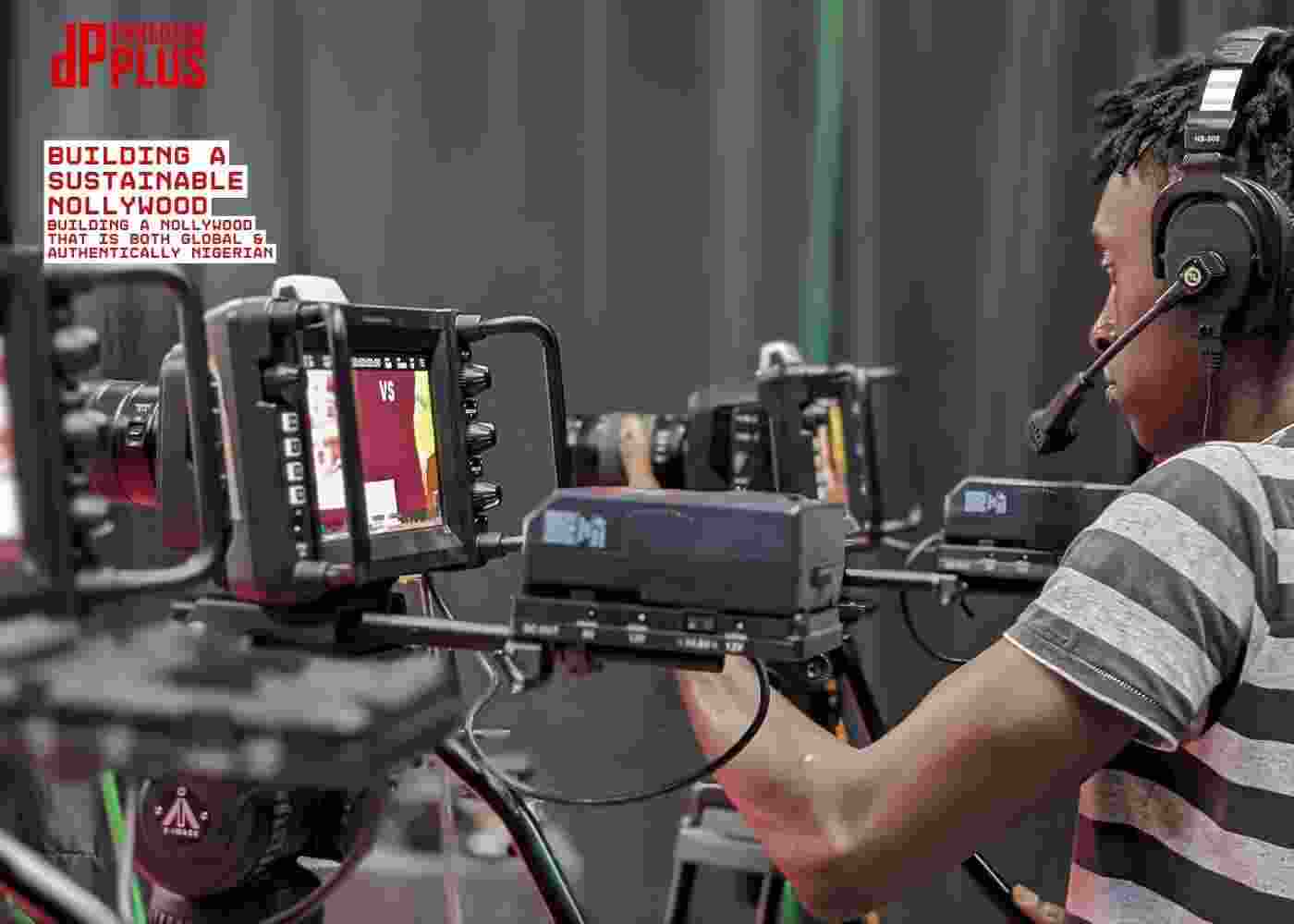
The question now is, will Nollywood find its lost other? Is
it possible for the industry to go back to where it came, without foregoing the
international development it has achieved?
It is not a question of local authenticity versus global
prestige, but of articulating the two. Nollywood can and should take the lead
in the world, but to do so, it must first return to its Nollywood roots,
understand the power of its existing structures, and use its greatest resource:
the Nigerian diaspora.

Conclusion
Nollywood didn’t lose its promise, it squandered it trying
to conform to a template that was never ours. In erasing the real systems that
had thrived for decades, we lost what was special about Nollywood.
Nollywood is at a crossroads today. On the one hand, it has
gained significant visibility globally, thanks mainly to streaming services like Netflix. Conversely, the industry has also “cut its bread and butter,” the
millions of Nigerians who still want films that speak to their realities in
their languages, with the same rawness that made Nollywood popular in the first
place.
Nollywood’s future does not lie in discarding its populist
base, but in continuing to seek ways to refine and globalize without losing
what made it unique in the first place. The diaspora is a “sleeping giant”, an
asset that can help propel Nollywood into its next stage. This global success
is not the only future of Nollywood, but it should also seek a balance between
‘the global’ and ‘the local’, between mass appeal and cultural identity.
The time has come to stop discarding what made us great. The
strength of Nollywood is in finding its voice, culture, and audience – not in
its imitation of Hollywood. It is only then that we can take back a working
billion-dollar system and create an even better Nollywood moving forward.
Trending Posts
-
 Nigeria's Creative Future Depends on..Feb 09, 2026
 -
How to Overcome Gatekeeping in..Aug 27, 2025
-
Balancing Global Production with..Aug 02, 2025
-
Building a Business Model to Propel..Jun 07, 2025
-
What Goes Into Staging a Mega-Concert..Jun 02, 2025
-
Rema's MSG Performance Cements..May 02, 2025


