In the globalized world we live in, Nigerian businesses now
need to expand abroad to stay competitive. Innovators in Yaba, producers and
distributors in Kano and designers in Aba are all searching for ways to
increase their earnings by reaching additional buyers in other countries. But
at the same time, even with this greater aspiration, Nigeria's banking systems
are still a major obstacle to easy international trade and business
development.
In 2024, according to the World Bank, Nigeria holds the
131st spot on the Ease of Doing Business index and "Getting Credit"
and "Trading Across Borders" present the biggest challenges. PwC
reported in Nigeria last month that currency exchange and making cross-border
payments are significant problems for 45% of Nigerian SMEs. Micro and small
businesses aren't just facing numbers; they are suffering from countless delays
in transactions, business stoppages and missed international opportunities due
to poor banking systems.
Because the CBN experiences FX shortages and blockages on
the movement of capital, companies in Nigeria have to manage extra red tape,
costly FX charges and a muddled payment environment. The result? Transfers that
take time, prices that do not make sense and restricted opportunities to join
global collaborations. For a lot of businesses, moving into global markets
matters as much for survival as it does for growth due to issues with banking
in Nigeria.

The Cost of Unreliable Banking on Nigerian Businesses
A fundamental reason for the challenge is that the foreign
exchange system in the country is fragile. Nigeria has several exchange rates,
with the official one far from the one used in the parallel market. Nigeria's
official exchange rate is ?1,400/$1, while trade on the black market is
currently higher at ?1,800/$1. Because of this imbalance, companies are
encouraged to keep money instead of using it, make weak budgets and have to
deal with random FX costs.
Imagine a tech firm in Lagos wanting to pay a software
vendor in the United States for a license. They often have to wait a long time
because of slow international transfers, compounded by problems from rules on
international transfers and tightened FX availability from Nigerian banks.
Importers of raw materials and basic products are given priority over digital
service providers and creative industries according to a 2023 CBN circular. The
policy limits the growth of innovation and our ability to compete
internationally.
Traditional banks, in addition to charging up to 5% on FX
exchanges, often require fees of $50 for every single wire transfer made. For
small businesses working with thin profit margins, the fees on Nigerian FX can
determine if they make a profit or not.
Cross-Border Payments: A Bottleneck in International Trade
When making payments to other countries from Nigeria, things
take longer and usually cost more. What the World Bank found is that the
average fee for remitting to sub-Saharan Africa is 8.3% higher than the average
cost globally. Not only do Nigerian businesses face financial costs, but they
also face the additional challenge of uncertainty.
Erratic or postponed exchanges with other countries may stop
shipments, trouble the relationship with suppliers and result in lower
confidence with partners in other nations. Exporters from Nigeria say they
often have trouble with delayed payments, which leads to late shipments and
their goods being refused for missing the expected delivery date. Timing is
very important in agriculture and perishable goods, so these issues stand out
the most.

Global Expansion Challenges: Beyond Market Entry
Simply finding foreign customers is not enough when wanting
to expand globally from Nigeria. The private sector has to handle strict CBN
policies, disjointed regulations and unclear rules of compliance. Organizations
may have to wait weeks to months, and sometimes even years, to get the necessary
regulatory approval for their international projects. Different documentation rules
at Nigerian banks make the process harder.
A NOIPolls survey done in 2022 indicated that most
Nigeria-based small companies struggling to expand internationally were
rejected or pushed to wait by their local banks. When KYC is not the same
everywhere and risk profiling is not clear to outsiders, foreign investors are
less interested in Nigerian businesses.
Fintech to the Rescue?
Nigeria's Fintech Landscape: A Game-Changer for Businesses
- More than any other nation in Africa, Nigeria received over
$1.2 billion in fintech investments from 2019 to 2023 (Source: McKinsey, 2023).
- Nigeria is home to over 200 startups in the fintech area,
including Flutterwave, Paystack, Interswitch, Moniepoint and Opay.
- Fintechs are resolving common issues for businesses: slow
payments overseas, slow support, high banking fees and poor customer service in
regular banks.

Digital Payment Platforms: Speed, Savings & Simplicity
Fintech providers such as Flutterwave, Paystack and Chipper
Cash deliver:
- With international transfers, one receives their money in less
than a day as opposed to the 2�5 day waiting time at the bank.
- The fee for Alternative Banking is between 0.5% to 1%, much
less than the normal 3 to 5% charged by banks.
- You can always tell if your transaction was successful
because there is no �pending� status.
- With automated compliance reporting, businesses in Nigeria
are not burdened by so much paperwork.
- Access to FX exchange with prices that match the market and
quick updates.
- Experiences for users on these platforms are similar to
e-commerce today.
- Intuitive dashboards.
- Mobile-first designs.
- The prices listed are the only prices you'll pay.
Blockchain-Powered Cross-Border Payments
Send by Flutterwave, Roqqu and Yellow Card are investigating
how blockchain can enable quicker and more affordable transfers worldwide.
Benefits include:
- Transactions are approved in only 5 minutes or less.
- Crypto transactions, at 0.2%, are less expensive than bank
transfers or SWIFT, which charge 3.5%.
- The use of immutable transaction records helps make
transactions more open and prevents fraud.
- More efficient international trade becomes possible with
access to decentralized finance (DeFi) and stablecoins.
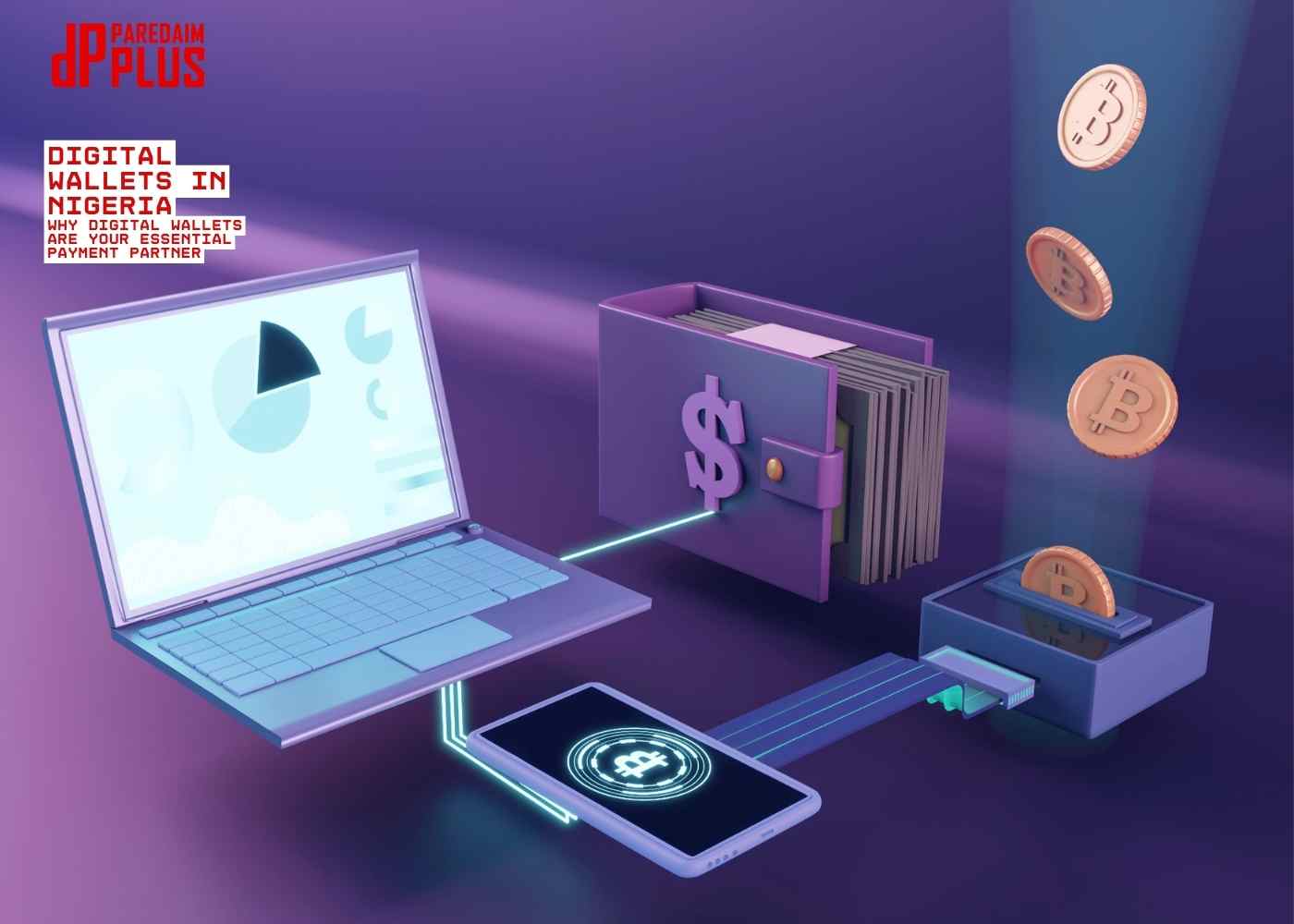
Digital Wallets & Multi-Currency Accounts
For instance, Barter (from Flutterwave) and Grey provide
digital wallets that allow:
- Give businesses the ability to manage, send and receive
different currencies (USD, GBP, EUR, NGN).
- Minimize the rate you change your money to avoid getting
caught by changing currency rates.
- Support money handling, so businesses manage transactions by
converting to other currencies at the best market rates.
- Useful for exporters, freelancers and service providers who
tend to send and receive money in other currencies.

Real-World Impact on Nigerian Businesses
Most small and medium-sized businesses in Nigeria now rely
on at least one fintech payment option, reports EFInA.
Flutterwave is now worth $3 billion, so it belongs to the
group of Africa's most valuable startups.
Businesses that benefit from fintech report:
- There is an expected decrease in transaction costs of
30-50%.
- Because of faster payments, there has been a strong increase
in our cash flow.
- Serving more customers from other countries is helping our
company earn more revenue.
Nigeria's fintech boom is changing the financial industry
and is helping businesses skip outdated financial systems and expand
internationally. Thanks to fintech companies, Nigerian entrepreneurs now have
easier, cheaper and faster access to financial tools.
Strategies for Overcoming Trade Barriers
Nigerian businesses that want to expand globally must use
several methods together.
1. Diversify Banking Relationships: Spread your banking out
among different institutions. Businesses need to connect with several banks and
fintech companies to protect themselves against temporary service issues.
2. Utilize Export Promotion Agencies: Reach out to agencies
like the NEPC to find out about grants, incentives and services meant to help
you with trade.
3. Invoice in Stable Currencies: Agree on USD, GBP or EUR
contracts where you can, as this will help protect you from naira depreciation.
In turn, it reduces the fluctuations seen in Nigerian FX fees.
4. Invest in Legal and Compliance Advisory: Legal and
compliance advisory should be part of your plans when dealing with foreign
exchange in Nigeria. Make sure you use consultants to guarantee you comply with
all required regulations in different jurisdictions.
5. Make Use of Connections Abroad: Nigerians living overseas
send almost $20 billion a year through remittances. Partnering with this group,
receiving their support through grants or having them mentor you can help your
business grow reliably.
Conclusion
Nigerian businesses have a lot to gain in the overseas
market, except that poor bank performance keeps them from expanding. Persistent
issues include different exchange (foreign exchange) policy inconveniences,
slow global transfers, and high FX charges. Still, companies can handle Nigeria's challenges by developing a plan, using fintech options and having strong support.
It's about more than streamlining cross-border payments;
it's also a way to let Nigerian innovation make its mark overseas. Systemic
changes must happen in the future, and today, companies should act to adapt.
Nigerian entrepreneurs can use fintech-based tools and handle foreign exchange
challenges to become the drivers of a stronger era in trade.
With so much volatility in Nigerian business finance,
relying on international markets is no longer a fantasy. Now, the goal is to
provide businesses with the knowledge, resources and assistance they need to
break through these obstacles and succeed globally.
Trending Posts
-
 How Nigeria's Unicorn Ecosystem is..Mar 08, 2026
 -
Why More Fintechs Mean Real Market..Jan 12, 2026
-
Launching a Payment Gateway in..Oct 07, 2025
-
Leveraging AI, Growth Hacking, and..Aug 22, 2025
-
The Impact of Digital Wallets on..Aug 13, 2025
-
Building a Scalable Forex Signal..Aug 04, 2025