The economy of Nigeria is a high-speed, culturally diverse
environment where marketing communications are no longer tools, but rather
dynamic phenomena that shape consumer thinking, feelings and therefore actions.
Nigeria boasts a large number of internet users; the Statista survey of 2024
provides evidence of more than 122 million internet users and over 36 million
active social media users in the country. This huge virtual presence has
altered the communication aspect of business in the sense that it now
prioritizes the digital-first approach in facilitating interest, purchases and
consumer retention. The art of persuasive marketing in Nigeria is changing as
Nigeria is still enjoying a digital marketing boom, with a shift to fewer highly
targeted messages with all the right emotional triggers to achieve action.
The fundamental change in this evolutionary process is a
rise in the complexity of sales-driven communications, which use data analytics
and social listening, aligning with partnering with influencers and applying
local cultural knowledge. Lagos to Kano consumers are also being redefined by
brands telling good stories, using digital resources and focusing on
authenticity. The change is undeniable, and the Nigerian consumers are no longer
recipients of the promotion strategy. They are very keen, socially active, and
brand-sensitive people who are sensitized to experience and not product.
This article examines the marketing communications in
Nigeria as a strategic tool that activates consumer action. We are going to
discuss the psychological and social buttons that brands are pressing, the
technologies that are revising the marketing environment, and the indicators
that prove the efficiency of these actions.

Marketing Communications in Nigeria: A Strategic Imperative
Conventionally, marketing communications in Nigeria had
depended on the traditional media, radio jingles, newspaper advertisements,
billboards and television commercials. Though these media continue to serve, in
a large sense, especially in the rural setups, a large shift towards electronic
marketing has been experienced in urban centers. The use of SEO, influencer
marketing, video content and online advertisement in Nigeria is now becoming an
investment by Nigerian businesses as the mobile-first population in the country
is growing.
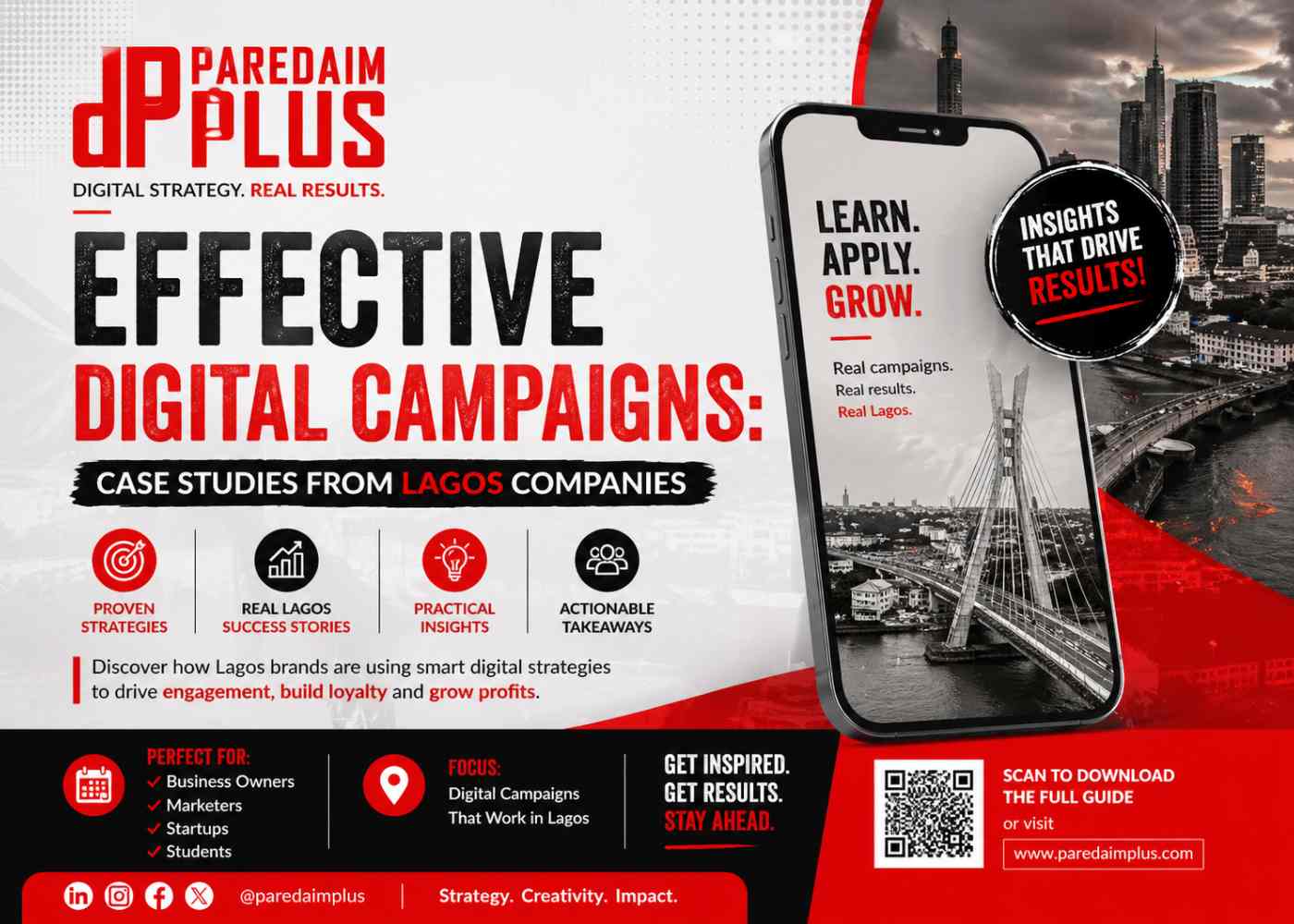
Such brands as Globacom, Jumia, and GTBank have transformed
the way companies interact with their consumers. Another typical example of
sales-driven communication coupled with content marketing is the GTBank
concept, NdaniTV, which intensifies the brand engagement in Nigeria. Such
intensity and rarity as flash sales and mobile-only offers in Jumia have not
only attracted Nigerians but also prompted consumer activity, with urgency and
exclusivity being the drivers of purchase in Nigeria.

The Psychology of Persuasive Marketing in Nigeria
Winners of marketing communications appeal to the
foundational principles of psychology, of authority, social proof, scarcity,
and emotional connection. Emotive narration is one of the best-selling tools in
Nigeria. Cultural differences, local dialects, and common ideals are now being
incorporated in campaigns in an attempt to establish a true voice.
Just to pick one example, the campaign by Peak Milk, called
It Starts With You, was addressing the resilience of everyday Nigerian mothers
by using the examples of real stories and content that users produced
themselves. This method made use of common cultural values and gained emotional
relevance, which has been identified to be a major influencing factor towards
consumer behavior in Nigeria.
According to a 2023 report by Kantar, 74 per cent of
Nigerian consumers revealed that they would purchase more products related to
those brands that are aligned with their values. It is especially true of Gen Z
and millennials who are not only after a product but a purpose, a sense of
connection, and identification.

The Role of Digital in Driving Consumer Action
The effects of online marketing in Nigeria cannot be
overestimated. As more and more smartphones become part of everyday lives, with
penetration rates of more than 60 per cent as per DataReportal, and due to the
availability of cheaper internet connectivity, brands are indeed reaching
consumers in their comfort zone: the internet. The Instagram, TikTok, X, and
Facebook social media platforms have turned into hot zones of brand
storytelling and interaction.
It is no less than influencer marketing that has shot
through the skies. Micro-influencers and nano-influencers that exist in Nigeria
usually surpass celebrities when it comes to ROI since they appear more
authentic and have a niche approach. According to a recent survey conducted by
Plaqad, 62 per cent of Nigerians indicated that they believe the recommendation
of an influencer more than the traditional advert.
Also, the provision of SEO and content marketing is
transforming the B2B and B2C scenes. Companies no longer only optimize their
websites and blogs for those keywords, such as affordable fashion in Lagos or
trusted real estate in Abuja; they make sure they appear where and when the
consumers search. Such visibility has a direct business impact of either a
sign-up or a purchase, or a brand check.

Metrics That Matter: Data-Driven Marketing Communications
The exquisiteness of online marketing is that it can be
measured. Brands are now able to understand what interests their audience and
control when to post what, and how to manage their budgets on advertising.
Click-through rates, conversion rates, demonstrate engagement efforts, and
customer lifetime value (CLV) are now conventionally used as key performance
indicators (KPI) to assess the effectiveness of marketing communications.
Furthermore, A / B testing has also become the norm in the
Nigerian market. This testing, whether it is on ad copy, landing page, or email
subject lines, will enable them to go on with the optimization and get greater
returns. Common platforms to narrow down campaigns and target the audiences
better are Google Analytics, Meta Business Suite and HubSpot.
The data-focused model can boost customer loyalty in Nigeria
because it will guarantee that the messages are delivered at the right time,
with the right content, and with a personal tone to which customers are
motivated to respond, contributing to future traffic.

Case Studies: Winning with Sales-Driven Communication
1. Dettol Nigeria’s Hygiene Education Campaign
Dettol conducted a countrywide campaign in vernacular
languages to inform mothers and caregivers on the importance of handwashing,
combining both community outreach and reaching out on social media. This
two-prong approach not only creates brand awareness but also causes a massive
acceptance of products in both rural and urban settings.
2. Flutterwave’s Social Media-Fueled Growth
Fintech brand made an oasis of online advertising in Nigeria
and influencer marketing, along with storytelling content in the context of
communicating with startups and SMEs. Flutterwave also created a strong
brand-to-consumer interaction and customer loyalty by framing itself as a
solution that would be familiar to the common Nigerian entrepreneur.
3. MTN Pulse’s Youth-Targeted Campaigns
MTN Nigeria redesigned its youth bundle in a bold and
music-oriented direction with artists, dance battles, and trendsetters on the
TikTok and Instagram platforms. The results? Growth of new subscriptions by 40%
and a rise in user retention by the younger Gen Z population.

The Long Game: Building Customer Loyalty in Nigeria
In Nigeria, customer loyalty can be achieved through consistency,
trust and relevance. The Nigerian consumers are value-conscious and social,
they pursue distinctive brands that identify with their self and also bring
them an identity beyond the merchandise. The marketing communication must
therefore not be focused on a single promotion.
The reward schemes, individual deals, outstanding customer
care and community schemes have worked well. As an example, the outreach and
transparency culture of Paystack has made the developer have a cult following
amongst the Nigerian tech circles. The consumers that brands manage to
transform into advocates are brands that foster relationships instead of being
sales-hungry.

Conclusion
The issues of marketing communications in contemporary
Nigeria are beyond visibility. They are strong tools of persuasion, conversion,
and community creation. As the digital space in the country continues to grow every day and the population becomes more connected and values-driven, marketing messages should be more profound than just engagement on a surface level.
Key Takeaways:
1. Influence with Affiliation: The Nigerian consumers'
hunger for authenticity. Brands that create an emotional and cultural
connection through local storytelling and identifying with the message they communicate will have a higher possibility of influencing behaviour.
2. Conversion by Personalization: The insights are built
through the analysis of data, which allows the brands to tailor their
communications. When the content is customized per consumer
preferences, behaviours, and values, it helps to generate higher conversion
rates.
3. Community Growth Strategy: The focus will be on the
formation of communities as merely customer base in the long-term growth
strategy. Loyalty will be increased by brands that allow shared experiences,
conversation and inclusion to take place.
4. Digital is the New Normal: online advertising in Nigeria
has increased significantly along with the use of influencer marketing and
content optimization, pointing to the fact that digital media is no longer an
option; it is a base.
5. Culture + Data = Results: the cultural understanding of a
market and a data-driven application. Brands that have got this combination
right are always beating their opponents.
6. Beyond Campaigns, Toward Purpose: Consumer behavior in
Nigeria is emerging more and more with the influence of social responsibility
and brand values. Communications in marketing should consider this move and
shift towards the purpose of brands that will be in the long term.
If companies and marketers want to be relevant and have any
kind of impact in the emerging consumer context in Nigeria, the message is
obvious: To be ahead, it is necessary to communicate clearly and with purpose
and understanding, which is rooted in strategy and insight. Less than that is
nothing but noise.
Trending Posts
-
 Stop Scope Creep: Price Your Agency..Jul 12, 2026
 -
Effective Digital Campaigns: Case..Apr 25, 2026
-
Digital Transformation Roadmap for..Feb 24, 2026
-
How AI and Deep Linking Redefine..Jan 06, 2026
-
Why Jackie Aina Is a Case Study in..Dec 27, 2025
-
How Ifedayo Built a 1 Million Dollar..Dec 26, 2025